
Data
Building Scalable Data Pipelines
Introduction
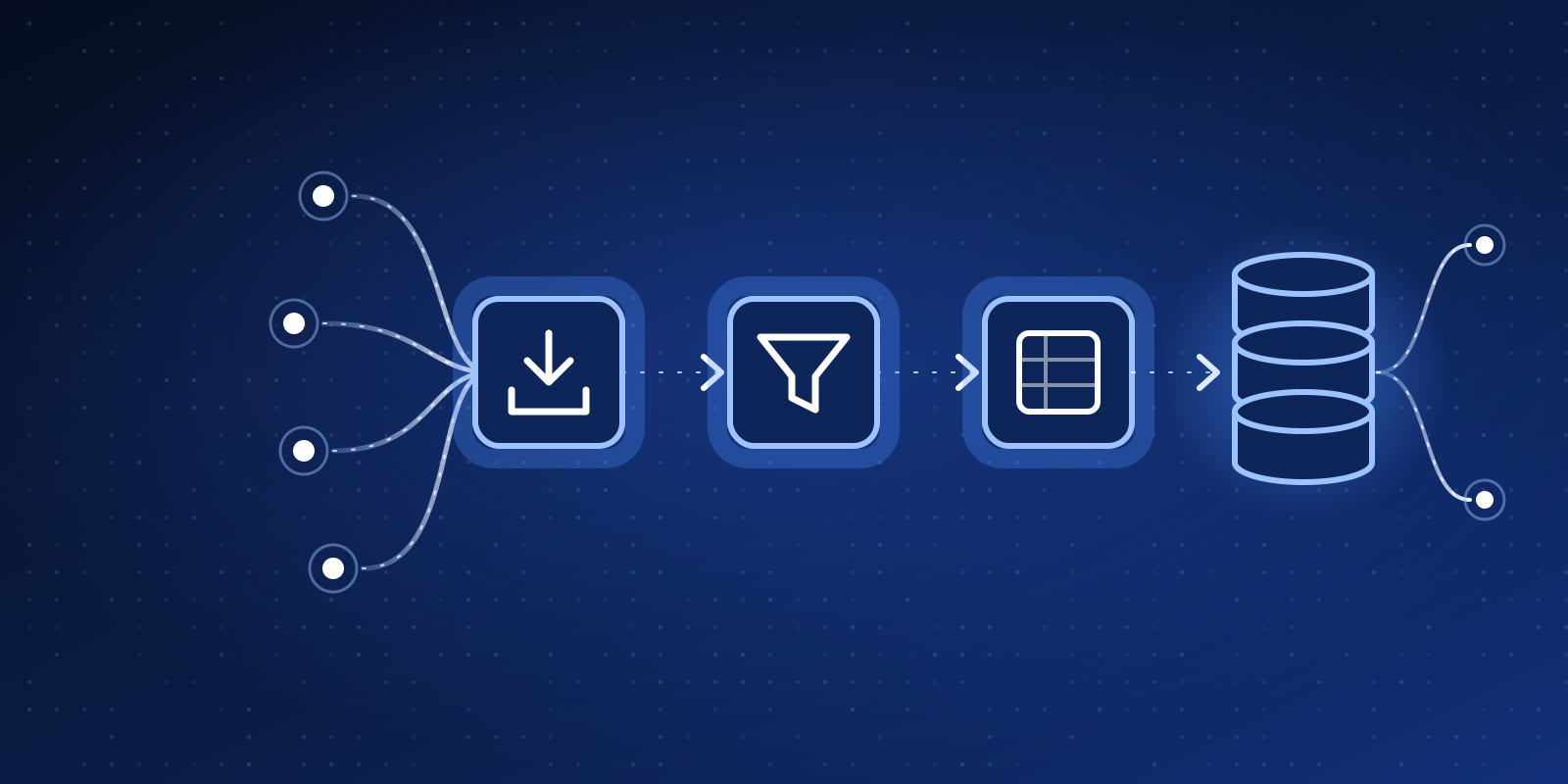
Scalable data pipelines are the backbone of modern data-driven organizations. In this post, we'll explore the key principles and technologies that enable building pipelines capable of processing millions of events per second.
Key Principles
1. Decoupling: Separate data ingestion, processing, and storage layers to allow independent scaling.
2. Fault Tolerance: Design systems that can recover from failures without losing data or corrupting state.
3. Idempotency: Ensure that processing the same data multiple times produces the same result.
4. Monitoring: Implement comprehensive monitoring to detect issues early and understand system behavior.
Technology Stack
Message Queues: Apache Kafka, AWS Kinesis, or Google Pub/Sub provide reliable message delivery at scale.
Stream Processing: Apache Spark, Apache Flink, or Kafka Streams enable real-time data processing.
Batch Processing: Apache Spark, Hadoop, or cloud-native services handle large-scale batch jobs.
Storage: Data lakes (S3, GCS, ADLS) and data warehouses (Snowflake, BigQuery, Redshift) provide scalable storage.
Best Practices
- Start simple and iterate—don't over-engineer initially
- Implement comprehensive logging and monitoring from day one
- Use infrastructure as code for reproducibility
- Implement data quality checks at each stage
- Plan for disaster recovery and backups
Conclusion
Building scalable data pipelines requires careful planning, the right technology choices, and operational discipline. With these principles and technologies, you can build systems that grow with your business needs.