AI
Machine Learning in Production
Introduction
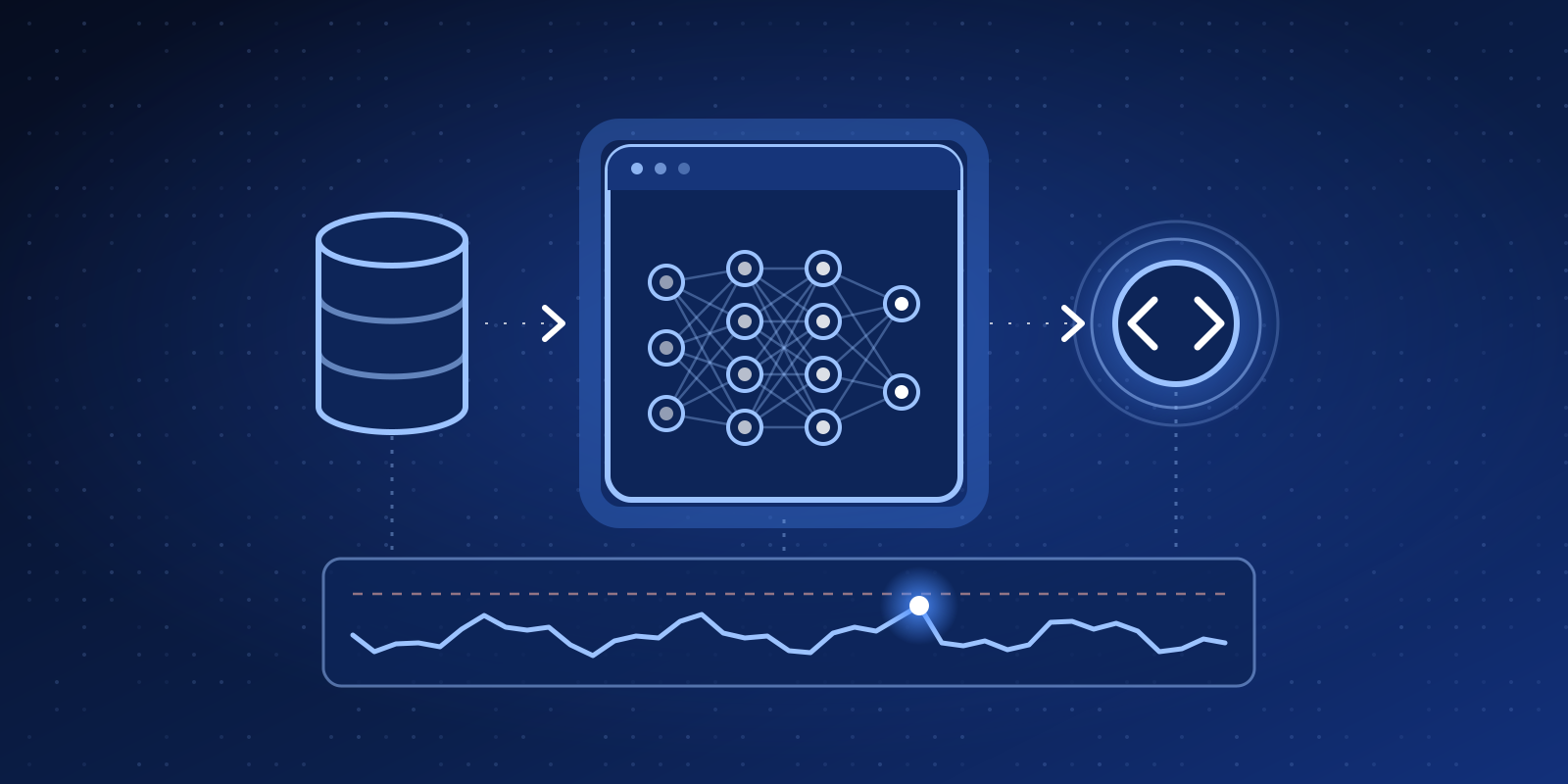
Deploying machine learning models to production is fundamentally different from building models in notebooks. In this comprehensive guide, we'll cover the key challenges and proven solutions.
The ML Lifecycle
1. Problem Definition: Clearly define the business problem and success metrics.
2. Data Collection and Preparation: Gather and prepare training data.
3. Model Development: Build and train models.
4. Evaluation: Assess model performance on test data.
5. Deployment: Move models to production.
6. Monitoring: Track model performance and data drift.
7. Retraining: Update models as new data becomes available.
Key Challenges
- Model Drift: Models degrade over time as data distributions change
- Reproducibility: Ensuring consistent results across environments
- Scalability: Serving predictions at scale with low latency
- Monitoring: Detecting model degradation and data issues
- Governance: Managing model versions, lineage, and compliance
Best Practices
1. Containerization: Use Docker to ensure consistency across environments.
2. Version Control: Track model versions, hyperparameters, and training data.
3. Automated Testing: Test model performance, data quality, and integration.
4. Monitoring and Alerting: Track model performance metrics and data drift.
5. CI/CD Pipelines: Automate model training, testing, and deployment.
Tools and Frameworks
- MLflow, Kubeflow, and SageMaker for model management
- Docker and Kubernetes for containerization and orchestration
- Prometheus and Grafana for monitoring
- Great Expectations and Evidently for data quality and model monitoring
Conclusion
Successfully deploying ML models to production requires more than just good models—it requires robust infrastructure, monitoring, and processes. By following these best practices, you can build reliable, scalable ML systems.